Phonetic Periodic Table of Elements
The Phonetic Periodic Table is a proposal for making the names of chemical elements more systematic in Hindi and other Indic languages. Many existing names are transliterations that are useful but still need to be memorized. This project uses the structure of an abugida to make the periodic table itself carry more information.
The idea
The proposal assigns a unique consonant to each chemical group and a unique
vowel sign to each period. A resulting phonetic symbol therefore indicates an
element's position in the periodic table. For example, the proposed symbols
for lithium and sodium are का and कि, respectively: both are in Group 1,
while their vowel signs distinguish their periods.
The scheme is based on Devanagari, but is intended to transfer to other Brahmic scripts and to other abugida or syllabary writing systems with enough consonants and vowels. Lanthanides and actinides receive an additional marker so that their placement below the main table remains visible in their names.
The mapping
Each group takes a consonant, following the phonetic ordering used in most Brahmic scripts. Two consonants are deliberately left out: ङ, to avoid confusion with ड़, and ञ, which is reserved for the lanthanide and actinide rule below.
| Group | 1 | 2 | 3 | 4 | 5 | 6 | 7 | 8 | 9 | 10 | 11 | 12 | 13 | 14 | 15 | 16 | 17 | 18 |
|---|---|---|---|---|---|---|---|---|---|---|---|---|---|---|---|---|---|---|
| Consonant | क | ग | च | ज | ट | ड | ण | त | द | न | प | ब | म | य | र | ल | व | स |
Each period takes a vowel sign:
| Period | Vowel sign | Group 1 symbol | Element | |
|---|---|---|---|---|
| 1 | ◌ृ | ṛ | कृ | H |
| 2 | ◌ा | ā | का | Li |
| 3 | ◌ि | i | कि | Na |
| 4 | ◌ी | ī | की | K |
| 5 | ◌ु | u | कु | Rb |
| 6 | ◌ू | ū | कू | Cs |
| 7 | ◌े | e | के | Fr |
A symbol is its group's consonant carrying its period's vowel sign. Adding the element suffix त gives the full name, so lithium is का as a symbol and कात as a name.
The whole table
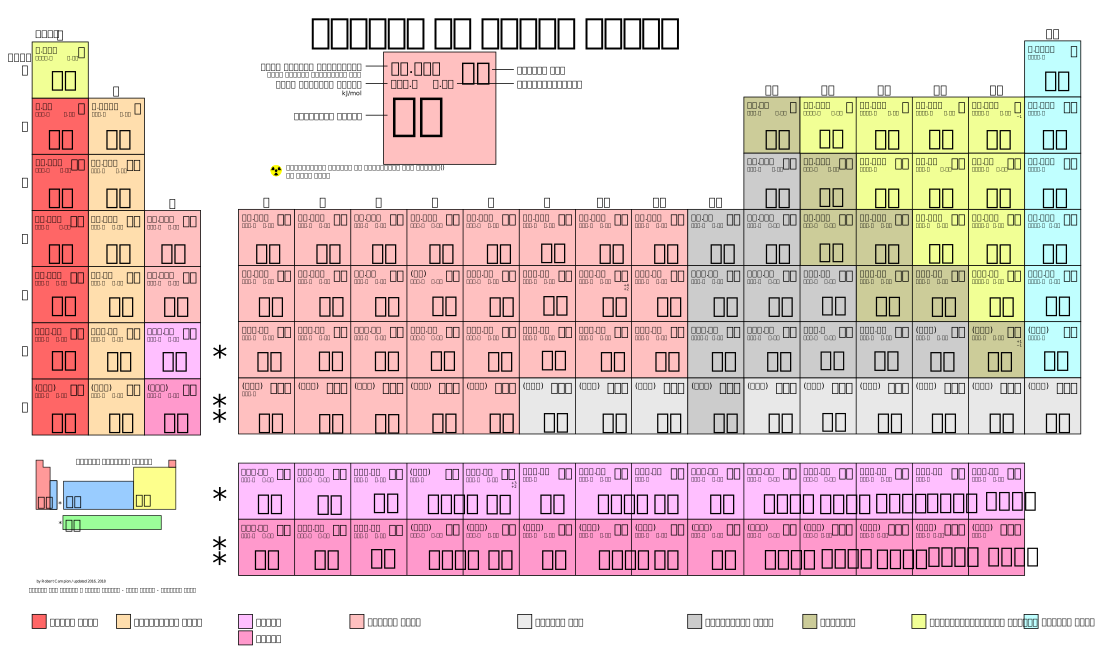
The proposed names and symbols across all 118 elements. Adapted from Periodic table large.svg by 2012rc (Robert Campion), used under CC BY 3.0; element labels and symbols replaced, and selected fields removed.
Every symbol in the main table follows from the two tables above — group across, period down. The two starred rows are the lanthanides and actinides, which follow the additional rule described below.
| Period | 1 | 2 | 3 | 4 | 5 | 6 | 7 | 8 | 9 | 10 | 11 | 12 | 13 | 14 | 15 | 16 | 17 | 18 |
|---|---|---|---|---|---|---|---|---|---|---|---|---|---|---|---|---|---|---|
| 1 | कृ H | सृ He | ||||||||||||||||
| 2 | का Li | गा Be | मा B | या C | रा N | ला O | वा F | सा Ne | ||||||||||
| 3 | कि Na | गि Mg | मि Al | यि Si | रि P | लि S | वि Cl | सि Ar | ||||||||||
| 4 | की K | गी Ca | ची Sc | जी Ti | टी V | डी Cr | णी Mn | ती Fe | दी Co | नी Ni | पी Cu | बी Zn | मी Ga | यी Ge | री As | ली Se | वी Br | सी Kr |
| 5 | कु Rb | गु Sr | चु Y | जु Zr | टु Nb | डु Mo | णु Tc | तु Ru | दु Rh | नु Pd | पु Ag | बु Cd | मु In | यु Sn | रु Sb | लु Te | वु I | सु Xe |
| 6 | कू Cs | गू Ba | चू La | जू Hf | टू Ta | डू W | णू Re | तू Os | दू Ir | नू Pt | पू Au | बू Hg | मू Tl | यू Pb | रू Bi | लू Po | वू At | सू Rn |
| 7 | के Fr | गे Ra | चे Ac | जे Rf | टे Db | डे Sg | णे Bh | ते Hs | दे Mt | ने Ds | पे Rg | बे Cn | मे Nh | ये Fl | रे Mc | ले Lv | वे Ts | से Og |
| 6* | झू Ce | ठू Pr | ढू Nd | ण्हू Pm | थू Sm | धू Eu | न्हू Gd | फू Tb | भू Dy | म्हू Ho | ह्यू Er | र्हू Tm | ल्हू Yb | व्हू Lu | ||||
| 7* | झे Th | ठे Pa | ढे U | ण्हे Np | थे Pu | धे Am | न्हे Cm | फे Bk | भे Cf | म्हे Es | ह्ये Fm | र्हे Md | ल्हे No | व्हे Lr |
Lanthanides and actinides
The f-block elements sit below the main table, and each is marked by adding an ह sound to the consonant of the group above it, which is what ञ was held back for. Cerium sits under the Group 4 elements, marked by the unaspirated ज, so it becomes झू without being assigned to Group 4 itself.
One pair needs a further adjustment. Erbium and fermium sit below Group 14, and the rule would give य्हू and य्हे; the consonant order is reversed in both to make them more pronounceable. The full f-block naming is in the PDF.
Note: Lanthanum and Actinium should be in the f-block as per the standard table, but they are shown in the d-block here.
Beyond element names
The proposal compares its names for all 118 elements with the 1906 Hindi Scientific Glossary and Hindi Wikipedia. It also develops vocabulary for chemical block and element types, common suffixes and prefixes, numerical prefixes, and derived compound names.